
✿ Come wander the herb garden ✿
Your health, your little apothecary adventure
Feeling better doesn't have to be complicated. It can be curious, playful, and wonderfully hands-on. Think of every cup and blend as a small experiment in caring for yourself, one leaf, petal, and root at a time.
🌿
Start with what you have
Peek into your pantry, spice rack, and garden beds. Mix and match the herbs you already own and grow. That mint by the back door or the chamomile on the windowsill might be the start of your next favorite blend.
🫙
Raid the herb bins
Many health food stores and grocery stores have bulk herb bins, a whole apothecary waiting for you to explore. Buy in any quantity you like, even a teaspoon at a time if you want. (Yes, really!)
🌼
Explore and grow well
Try a pinch of this and a sprinkle of that. Notice how you feel, take notes, and adjust. Small, joyful experiments add up to real steps toward better health.

DIY Herbal Blends: Immune Support
From the Cottage Apothecary at Dragonfly's Nook
A Little Nourishment from Nature
When the seasons change and chilly weather settles in, there's something comforting about reaching for a warm cup of herbal tea.
For generations, people have turned to their gardens, kitchens, and wild-growing herbs to create nourishing seasonal blends. From fragrant elderflowers to soothing chamomile, these botanical traditions remind us that caring for ourselves can begin with simple, everyday rituals.
At Dragonfly's Nook, we believe herbalism is about curiosity, connection, and learning to work thoughtfully with the plants around us.
Explore a few beginner-friendly blends inspired by traditional herbal practices.
The Cozy Cottage Immune Blend
A warming, fragrant tea for chilly afternoons.
Ingredients:
2 parts dried rosehips
1 part dried lemon balm
1 part dried chamomile
½ part dried ginger
Instructions:
Combine your dried herbs in a clean, airtight jar. For each cup, add 1–2 teaspoons of the mixture to 8 ounces of hot water. Cover and steep for 10–15 minutes, then strain.
Why these herbs?
Rosehips contain vitamin C and plant antioxidants, although drying and brewing can affect vitamin C levels. Lemon balm offers a bright, citrusy fragrance, chamomile brings gentle floral notes, and ginger adds a comforting warmth.
This blend is a pleasant way to stay hydrated and enjoy a little seasonal self-care.
The Garden Sunshine Blend
A bright, cheerful blend inspired by a summer herb garden.
Ingredients:
2 parts dried lemon balm
1 part dried peppermint
1 part dried calendula petals
1 part dried rosehips
Instructions:
Mix the dried botanicals and store away from heat, light, and moisture. Steep 1–2 teaspoons per cup of hot water for 10–15 minutes.
Why these herbs?
Lemon balm and peppermint create a refreshing combination, calendula adds a delicate floral character, and rosehips contribute a pleasantly tart finish.
Enjoy warm on cool mornings or chilled over ice.
The Hearth & Honey Blend
A cozy kitchen-inspired tea with warming spices.
Ingredients:
2 parts dried rooibos
1 part dried ginger
½ part cinnamon chips
½ part dried orange peel
Instructions:
Combine the ingredients and use approximately 1–2 teaspoons per cup of water. Simmer gently for 10 minutes, strain, and sweeten with honey if desired.
Why these ingredients?
Rooibos provides a naturally caffeine-free base, while ginger, cinnamon, and orange peel create a rich, aromatic cup.
Perfect for slow mornings, rainy afternoons, and evenings spent curled up with a favorite book.
Building Your Own Herbal Blend
Creating herbal tea blends doesn't have to be complicated. Begin with a few familiar ingredients and experiment with flavor, aroma, and balance.
Start with three simple elements:
Your base: A mild, enjoyable herb such as rooibos, lemon balm, or chamomile.
Your supporting botanicals: Rosehips, calendula, or peppermint to add character and variety.
Your finishing touch: Ginger, cinnamon, or orange peel for warmth and fragrance.
Start with small batches, record your proportions, and make adjustments as you discover your favorite combinations.
A Note on Herbal Safety
Although many herbs have long histories of traditional use, that doesn't mean every herb is appropriate for everyone.
Herbal teas are not proven to prevent or treat infections or to boost immune function. Some herbs may interact with medications or cause allergic reactions. Chamomile, for example, may cause reactions in people sensitive to ragweed-related plants.
If you're pregnant, breastfeeding, managing a medical condition, taking prescription medications, or preparing blends for children, consult a qualified healthcare professional before using medicinal herbs regularly.
Use correctly identified, food-grade botanicals from reliable sources, and never substitute unidentified wild plants.
A Little Magic in Every Cup
The beauty of herbal blending isn't found in complicated recipes or expensive ingredients. It's in the simple pleasure of learning about plants, discovering new flavors, and creating meaningful moments of care.
Whether your herbs come from a backyard garden, a sunny windowsill, or a favorite botanical supplier, every blend offers another opportunity to connect with nature.
Grow something beautiful. Make something meaningful. Find a little magic in the everyday.
Dragonfly's Nook
www.dragonflysnook.com


DIY Herbal Blends: Sleep & Relaxation
From the Cottage Apothecary at Dragonfly's Nook
A Little Peace at the End of the Day
As daylight fades and the world begins to quiet, there's something magical about slowing down with a warm cup of herbal tea.
For centuries, people have incorporated fragrant flowers, soothing herbs, and evening rituals into their nighttime routines. From lavender-filled gardens to the gentle sweetness of chamomile, plants have long been companions to moments of rest.
At Dragonfly's Nook, we believe that restful evenings begin with small, intentional moments of comfort.
Whether you're settling in with a favorite book, enjoying a warm bath, or simply watching the stars appear, these garden-inspired blends offer a lovely way to welcome a quieter evening.
The Moonlit Garden Blend
A delicate floral tea inspired by moonlight and lavender fields.
Ingredients:
2 parts dried chamomile flowers
1 part dried lemon balm
½ part culinary lavender buds
½ part dried rose petals
Instructions:
Combine the dried herbs in a clean, airtight jar. Add 1–2 teaspoons of the mixture to 8 ounces of hot water. Cover and steep for 7–10 minutes, then strain.
Why these herbs?
Chamomile has a long history of traditional use in evening teas, although research on its effectiveness for insomnia remains limited. Lemon balm has been studied for relaxation and sleep, but evidence is still preliminary. Lavender and rose petals contribute a delicate floral aroma.
Together, they create a beautifully fragrant blend for a peaceful bedtime ritual.
The Dreamy Cottage Blend
A soft, minty tea for winding down after a busy day.
Ingredients:
2 parts dried lemon balm
1 part dried spearmint
1 part dried chamomile
½ part dried orange peel
Instructions:
Mix the dried botanicals and store in a sealed container away from heat, light, and moisture.
Steep 1–2 teaspoons in 8 ounces of hot water for 10 minutes. Strain and enjoy as part of your evening routine.
Why these herbs?
Lemon balm offers a gentle citrus fragrance, spearmint provides a refreshing sweetness, and chamomile adds familiar floral notes. Orange peel brings a warm, sunny finish.
This caffeine-free blend is especially lovely for anyone who prefers a refreshing herbal tea rather than a strongly floral one.
The Fireside Comfort Blend
A warming, naturally sweet tea for cozy evenings.
Ingredients:
2 parts dried rooibos
1 part dried chamomile
½ part cinnamon chips
½ part dried apple pieces
Instructions:
Combine the ingredients in a clean jar. Add 1–2 teaspoons per cup of hot water, cover, and steep for 10–15 minutes.
For a stronger apple-and-cinnamon flavor, gently simmer the mixture for approximately 10 minutes before straining.
Why these ingredients?
Rooibos provides a smooth, naturally caffeine-free foundation. Chamomile adds a delicate floral character, while cinnamon and dried apple create the comforting aroma of a freshly baked treat.
This blend is ideal for chilly nights, quiet reading sessions, or evenings spent watching the rain.
Creating Your Own Evening Herbal Blend
One of the joys of herbalism is discovering combinations that appeal to your senses.
When designing an evening tea, consider choosing ingredients that create a pleasant, comforting experience rather than focusing on making the strongest possible preparation.
Build your blend in three simple steps:
Choose a gentle base. Chamomile, rooibos, or lemon balm can provide a lovely foundation.
Add a complementary botanical. Spearmint, rose petals, or a small amount of culinary lavender can bring fragrance and complexity.
Finish with something cozy. Cinnamon, dried apple, or orange peel can add natural sweetness and warmth.
Begin with small batches and record your favorite combinations in an herbal journal.
Remember, stronger isn't always better. A gentle, enjoyable tea can become a meaningful part of your evening without needing highly concentrated herbs.
Beyond the Teacup: Creating a Restful Evening Ritual
Herbal tea is only one part of a comforting nighttime routine. Consider pairing your favorite blend with a few simple habits:
Dim the lights. Softer lighting can help signal that the day is coming to an end.
Put away the screens. Give yourself a little time away from bright displays before bed.
Create a calming atmosphere. Try gentle music, a comfortable blanket, or a favorite book.
Keep a journal nearby. Writing down tomorrow's tasks may help quiet a busy mind.
Maintain a consistent bedtime. Regular sleep and wake times support healthy sleep patterns.
The goal isn't to create a perfect evening. It's to discover small rituals that make rest feel welcoming.
A Note on Herbal Safety
Natural doesn't always mean risk-free.
Chamomile can cause allergic reactions, particularly in individuals sensitive to ragweed-related plants. Some herbs, including chamomile and lemon balm, may interact with medications. Combining herbal products with sedatives or other sleep aids may increase unwanted effects.
If you're pregnant, breastfeeding, taking medication, managing a medical condition, or preparing herbal blends for children, consult a qualified healthcare professional before using medicinal herbs regularly.
Use correctly identified, food-grade botanicals and avoid concentrated essential oils in homemade teas.
These blends are intended for enjoyment and relaxation, not as treatments for insomnia, anxiety, or other medical conditions. Persistent sleep difficulties deserve professional evaluation.
A Little Moonlight, A Little Magic
Not every evening needs to be productive. Not every quiet moment needs to be filled.
Sometimes, the most meaningful thing we can do is give ourselves permission to rest.
Let the kettle warm, the flowers steep, and the day's worries wait until morning.
May your evenings be gentle, your dreams be sweet, and your little corner of the world always feel like home.
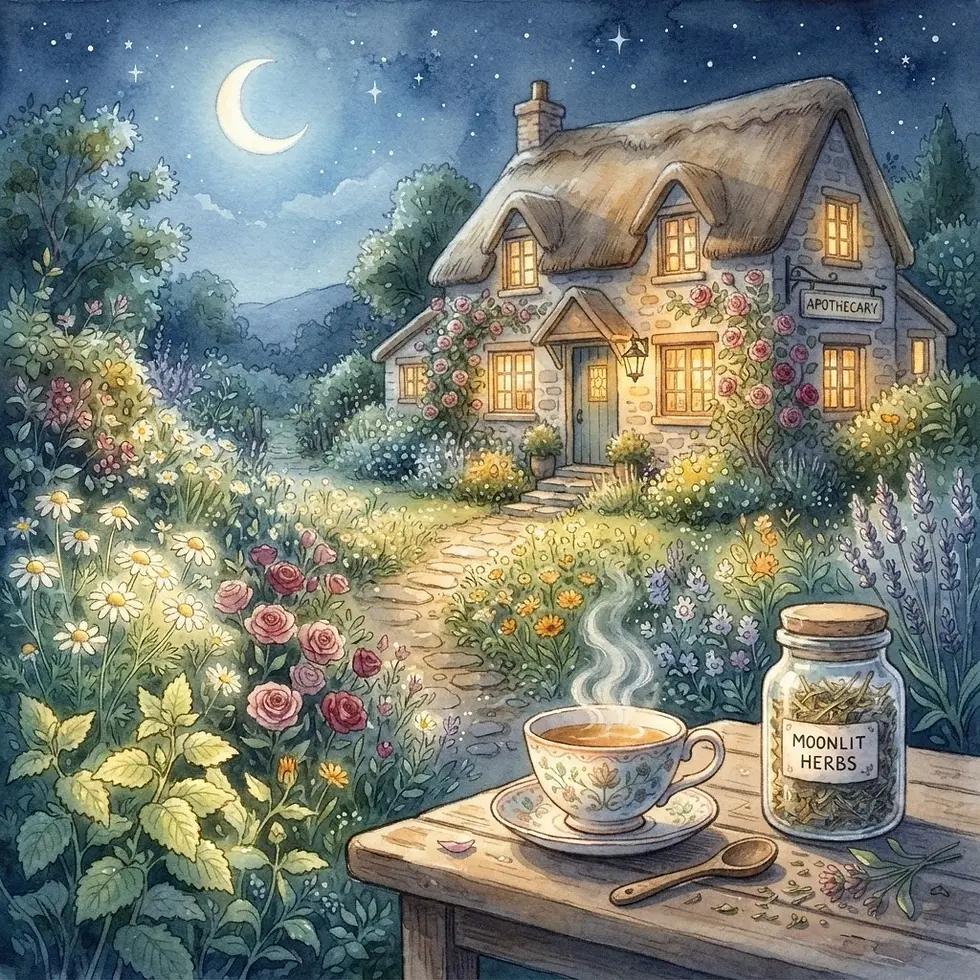
DIY Herbal Blends: Hormonal Wellness & Support
From the Cottage Apothecary at Dragonfly's Nook
Finding Balance Through Life's Changing Seasons
Just as the garden moves through seasons of growth, flowering, harvest, and rest, our bodies experience changes throughout our lives.
From the monthly menstrual cycle to the transitions of perimenopause and menopause, hormones influence everything from reproductive health to sleep, temperature regulation, and mood.
For generations, herbal traditions have included plants associated with women's wellness, menstrual comfort, and the changing seasons of life.
At Dragonfly's Nook, we believe understanding our bodies is an important part of caring for them.
While herbal teas cannot reliably balance hormone levels or correct hormonal conditions, they can offer comforting rituals, hydration, and opportunities to reconnect with ourselves.
Explore these gentle, garden-inspired blends created with everyday wellness in mind.
The Moonflower Comfort Blend
A warming, floral tea for menstrual days.
Ingredients:
2 parts dried chamomile
1 part dried lemon balm
½ part dried ginger
½ part dried rose petals
Instructions:
Combine the dried botanicals in a clean, airtight jar.
Add 1–2 teaspoons of the mixture to 8 ounces of hot water. Cover and steep for 10–15 minutes, then strain.
Why these herbs?
Chamomile has a long history of traditional use for relaxation and comfort. Lemon balm adds a refreshing citrus fragrance, while rose petals contribute delicate floral notes.
Ginger has some clinical evidence suggesting it may help reduce menstrual pain, although studies often use measured preparations rather than ordinary tea.
This blend makes a lovely companion to a heating pad, comfortable blanket, and a little extra rest.
The Changing Seasons Blend
A refreshing, caffeine-free tea inspired by the transitions of perimenopause and menopause.
Ingredients:
2 parts dried rooibos
1 part dried lemon balm
1 part dried spearmint
½ part dried orange peel
Instructions:
Combine the ingredients and store in a sealed container away from moisture and sunlight.
Steep 1–2 teaspoons per cup of hot water for 10 minutes.
Enjoy warm or chill in the refrigerator for a refreshing afternoon drink.
Why these herbs?
Rooibos provides a naturally caffeine-free foundation with a smooth, slightly sweet flavor.
Lemon balm and spearmint add bright herbal notes, while orange peel creates a cheerful citrus finish.
Although this blend does not treat hot flashes or regulate estrogen, it offers a pleasant caffeine-free alternative to coffee or black tea, particularly for those who find caffeine worsens their symptoms.
The Garden Harmony Blend
A fresh, fragrant tea for everyday self-care.
Ingredients:
2 parts dried spearmint
1 part dried lemon balm
1 part dried rosehips
½ part dried calendula petals
Instructions:
Mix the botanicals and store in a clean, dry jar.
Add 1–2 teaspoons per cup of hot water. Cover and steep for 10 minutes before straining.
Why these herbs?
Spearmint has attracted research interest for its possible effects on androgen levels in women with certain hormonal conditions, including polycystic ovary syndrome (PCOS).
However, existing human studies are small, and spearmint tea has not been established as a treatment for PCOS, excess androgens, acne, or unwanted hair growth.
Lemon balm adds a gentle citrus character, rosehips contribute tartness, and calendula brings a subtle floral note.
Enjoy this blend for its refreshing flavor rather than expecting measurable changes in hormone levels.
The Evening Bloom Blend
A soft, floral tea for quiet evenings during life's changing seasons.
Ingredients:
2 parts dried chamomile
1 part dried rooibos
½ part culinary lavender
½ part dried apple pieces
Instructions:
Combine the ingredients in a clean jar.
Steep 1–2 teaspoons in 8 ounces of hot water for approximately 10 minutes.
Strain and enjoy as part of your evening routine.
Why these herbs?
Chamomile and lavender have long been associated with relaxation rituals, although evidence that ordinary herbal teas improve sleep disorders remains limited.
Rooibos provides a naturally caffeine-free base, while dried apple adds gentle sweetness.
This blend pairs beautifully with journaling, soft lighting, and a consistent bedtime routine.
Understanding Hormonal Wellness
Hormones are chemical messengers that help coordinate many of the body's essential functions.
Estrogen, progesterone, testosterone, cortisol, insulin, and thyroid hormones all play important roles in health.
Hormonal changes are a natural part of many life stages, but persistent or disruptive symptoms deserve attention.
Common experiences associated with hormonal changes include:
Changes in menstrual cycle timing or flow
Hot flashes and night sweats
Sleep disturbances
Mood changes
Changes in skin and hair
Breast tenderness
Menstrual cramps
Changes in energy and concentration
These symptoms can have many causes, and they do not necessarily indicate a hormonal imbalance.
Herbal teas may provide comfort, but they cannot diagnose or correct the underlying cause.
Creating Your Own Hormonal Wellness Tea
When exploring herbs traditionally associated with reproductive wellness, begin with a simple question: What am I hoping to support?
Perhaps you're looking for a comforting tea during menstruation, a caffeine-free afternoon beverage, or a calming ritual before bed.
Choose ingredients based on their flavor, safety, and the quality of evidence supporting their intended use.
Start with three elements:
A gentle base: Rooibos, chamomile, or lemon balm.
A complementary botanical: Spearmint, rosehips, or food-grade rose petals.
A finishing touch: Ginger, dried apple, or orange peel.
Prepare small batches and keep notes about flavor, ingredients, and how you feel.
Remember that a pleasant herbal ritual does not need to change hormone levels to be worthwhile.
A Note on Herbal Safety
Hormonal health is complex, and some herbs can influence biological processes or interact with medications.
Plants frequently marketed for hormonal balance—including chasteberry, black cohosh, red clover, and licorice root—have specific safety considerations, limited or mixed evidence, and potential interactions.
They should not be added casually to homemade blends.
Even familiar herbs deserve care. Chamomile can cause allergic reactions in people sensitive to ragweed-related plants and may interact with certain medications. Ginger may also interact with some medicines, particularly in concentrated amounts.
If you are pregnant, breastfeeding, trying to conceive, taking hormonal medications or other prescriptions, or managing a hormone-sensitive condition, consult a qualified healthcare professional before regularly using medicinal herbal preparations.
Seek medical evaluation for unusually heavy bleeding, severe pelvic pain, bleeding after menopause, or other persistent or concerning symptoms.
These recipes are intended for culinary enjoyment and general self-care, not for treating hormonal disorders or replacing medical care.
Make Space for Every Season of You
Our bodies are not static. They grow, adapt, and change throughout our lives.
Some seasons bring energy and excitement. Others invite patience, reflection, and a different kind of care.
There is no perfect hormonal rhythm that every body must follow, and wellness is not measured by how closely we resemble an ideal.
Sometimes, caring for ourselves means learning something new about our bodies.
Sometimes, it means asking for help.
And sometimes, it simply means sitting quietly with a warm cup of tea and allowing ourselves a moment of peace.
Honor your seasons. Nourish your curiosity. Find a little magic in the everyday.
Dragonfly's Nook
www.dragonflysnook.com