
Fig Leaf (Ficus carica)
The fig leaf carries a deep character in folklore and traditional herbalism. Often associated with modesty and ancient medicine, it is noted for its potential to support metabolic wellness and digestive comfort. In various cultures, it has been brewed into teas to provide a unique earthy profile while supporting the body's natural balance.
Cautions: Fig leaf sap can cause skin irritation or photodermatitis in sensitive individuals. Consult a healthcare professional before internal use, particularly if you are managing blood sugar levels or taking specific medications.

Lemon Balm (Melissa officinalis)
A fragrant member of the mint family, Lemon Balm is often used to support calm, ease digestive discomfort, and gently lift the mood. Often helpful during hormonal periods such as luteal and menopause.
Cautions: May interfere with thyroid medication. Use with care if you have thyroid issues or are pregnant. Always check with your healthcare provider before use.

Calendula (Calendula officinalis)
Known as the 'pot marigold,' Calendula is a powerful skin-soothing herb often used in salves, teas, and rinses to support gentle healing. The leaves and flowers are edible and make a delicious salad addition.
Cautions: Avoid use if you have a known allergy to plants in the daisy family (Asteraceae). Talk with your healthcare provider before internal use.

Catnip (Nepeta cataria)
Best known for its playful effects on feline friends, Catnip is a gentle yet effective herb for human wellness as well. As a mild nervine, it is traditionally brewed into teas to soothe restlessness and support a calm, peaceful evening. Beyond its relaxing qualities, it is often utilized to aid digestive comfort and ease occasional gas or bloating.
Cautions: High doses can cause headaches or nausea. Consult a professional if pregnant or for young children.

Feverfew
Feverfew is traditionally valued for its ability to support wellness and comfort, traditionally used to treat migraines.
Cautions: Placeholder text for safety information. Feverfew may cause mild side effects in some individuals. Always consult with a qualified herbalist or healthcare professional before adding new supplements to your routine, especially if pregnant or nursing.

Chamomile
Known for its gentle calming properties, this herb is a staple in wellness traditions. It is frequently used in teas and topical applications to support relaxation, digestive comfort, and skin health.
Cautions: Use with care if you have allergies to the Asteraceae family. Consult with a professional before use if you are taking medication or are pregnant.


Peppermint
Peppermint is a popular herbal remedy often used as a cooling tea or essential oil. Traditionally, it is known for supporting digestive health and providing a refreshing energy boost.
Cautions: Avoid internal use if you have GERD or severe acid reflux. Consult your medical professional if you are allergic to members of the mint family. Can be very cooling, use caution when using topically as can burn sensitive skin.
Sage (Salvia officinalis)
Sage is a robust perennial herb traditionally valued for its clearing and clarifying properties. In herbal wellness practices, it is frequently used to support respiratory health, aid digestive function, and provide antioxidant support. Its earthy aroma and savory profile make it a staple in both the medicinal garden and the kitchen.
Cautions: Avoid therapeutic amounts during pregnancy or breastfeeding. Not recommended for individuals with a history of seizures. Consult your healthcare provider before use.


Thyme
Thyme is a versatile perennial herb with a rich history in herbalism. Traditionally used to support respiratory health and digestive wellness, it is a staple in both culinary and medicinal gardens.
Cautions: Generally safe when used in culinary amounts. Concentrated oils should be avoided during pregnancy or by those with sensitive skin without professional guidance.

Rosemary
A versatile and aromatic herb, rosemary is widely appreciated for its culinary uses and its historical role in supporting clarity, focus, and digestive wellness.
Cautions: Generally safe in culinary amounts; consult a professional for medicinal concentrations if pregnant, nursing, or using specific medications.

Lavender (Lavandula angustifolia)
Deeply cherished for its calming aroma, Lavender is a versatile herb widely used in aromatherapy and traditional wellness to support relaxation, improve sleep quality, and soothe minor skin irritations.
Cautions: Generally safe, but may cause skin sensitivity in some individuals. Consult a practitioner if using alongside sedative medications or during pregnancy.

Oregano
Oregano is a robust perennial herb known for its strong aromatic properties. It is commonly used in traditional practices to support immune health and digestive function. This flavorful herb is a staple in wellness-focused kitchens and apothecary gardens alike.
Cautions: Oregano oil is very potent and should be properly diluted. Avoid large amounts during pregnancy. Consult with a specialist before internal use if you have sensitive digestion.

Stinging Nettle (Urtica dioica)
A nutrient-dense powerhouse often found in the wild, Stinging Nettle is traditionally used to support seasonal wellness, joint health, and overall vitality.
Cautions: Fresh leaves cause skin irritation. Consult a healthcare professional before use if you have kidney issues or are taking blood thinners.
Nasturtium (Tropaeolum majus)
A vibrant, peppery herb often found in gardens, Nasturtium is known for its high vitamin C content and gentle immune-supporting properties.
Cautions: Use with care if you have kidney disorders or gastrointestinal issues. Consult a professional before internal use if pregnant or nursing.


Basil
A versatile and aromatic culinary staple, Basil is also highly valued in herbalism for its potential to support digestion and promote a balanced internal environment. Its refreshing scent and nutrient profile make it a foundational herb in wellness gardens.
Cautions: Generally safe for most people. However, individuals taking blood-thinning medications or those scheduled for surgery should consult a medical professional due to potential interactions. Always seek expert advice when introducing therapeutic herbs.

Echinacea
Commonly known as the purple coneflower, Echinacea is traditionally used as an immune-supporting herb. It was widely used by Native American tribes and remains one of the most popular herbal remedies today for supporting overall wellness during seasonal changes.
Cautions: Avoid use if you have an autoimmune condition or a known allergy to plants in the daisy family (Asteraceae). Consult your healthcare provider before use.
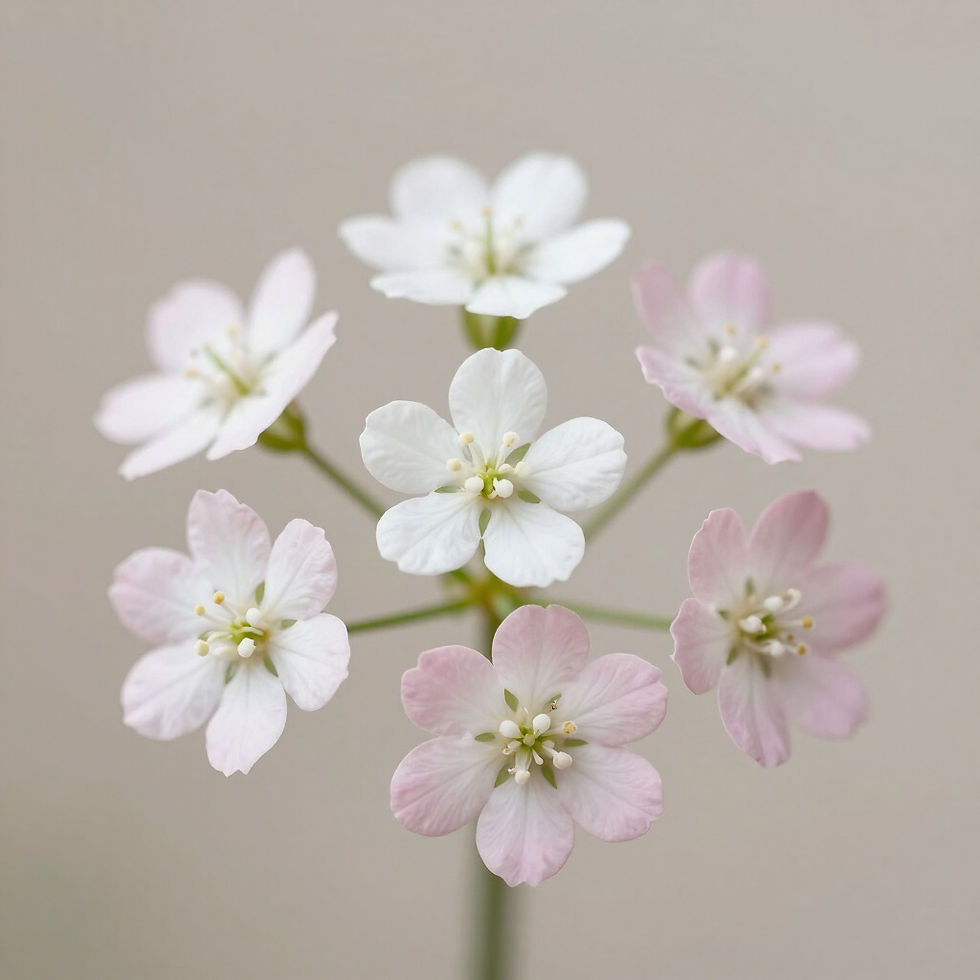
Valerian (Valeriana officinalis)
Valerian root is a time-tested herbal ally, traditionally used to support restful sleep and encourage a sense of calm during periods of occasional stress or nervous tension.
Cautions: May cause drowsiness. Avoid use with alcohol or sedative medications. Consult a healthcare professional if symptoms persist.


Purslane (Portulaca oleracea)
A resilient and nutrient-dense succulent, Purslane is commonly used to support heart health and provide a rich source of omega-3 fatty acids. Its slightly tart, lemon-like flavor makes it a refreshing addition to both salads and supportive herbal teas.
Cautions: High in oxalates; use with caution if you have a history of kidney stones. Consult your healthcare provider if you are pregnant or breastfeeding.

Fig Leaf (Ficus carica)
Steeped in folklore and synonymous with ancient wisdom, the Fig Leaf is a symbol of resilience and protection. Traditionally valued in folk medicine, it was also often used in symbolic care and as a natural wrapper for seasonal harvests.
Cautions: Safety notes placeholder. The sap of Ficus carica may cause skin irritation in sensitive individuals. Always consult an expert before internal application.